

Tilt Tray & Equipment Transport Perth WA - Mining Plant and Site Vehicles
Tilt Tray & Equipment Transport
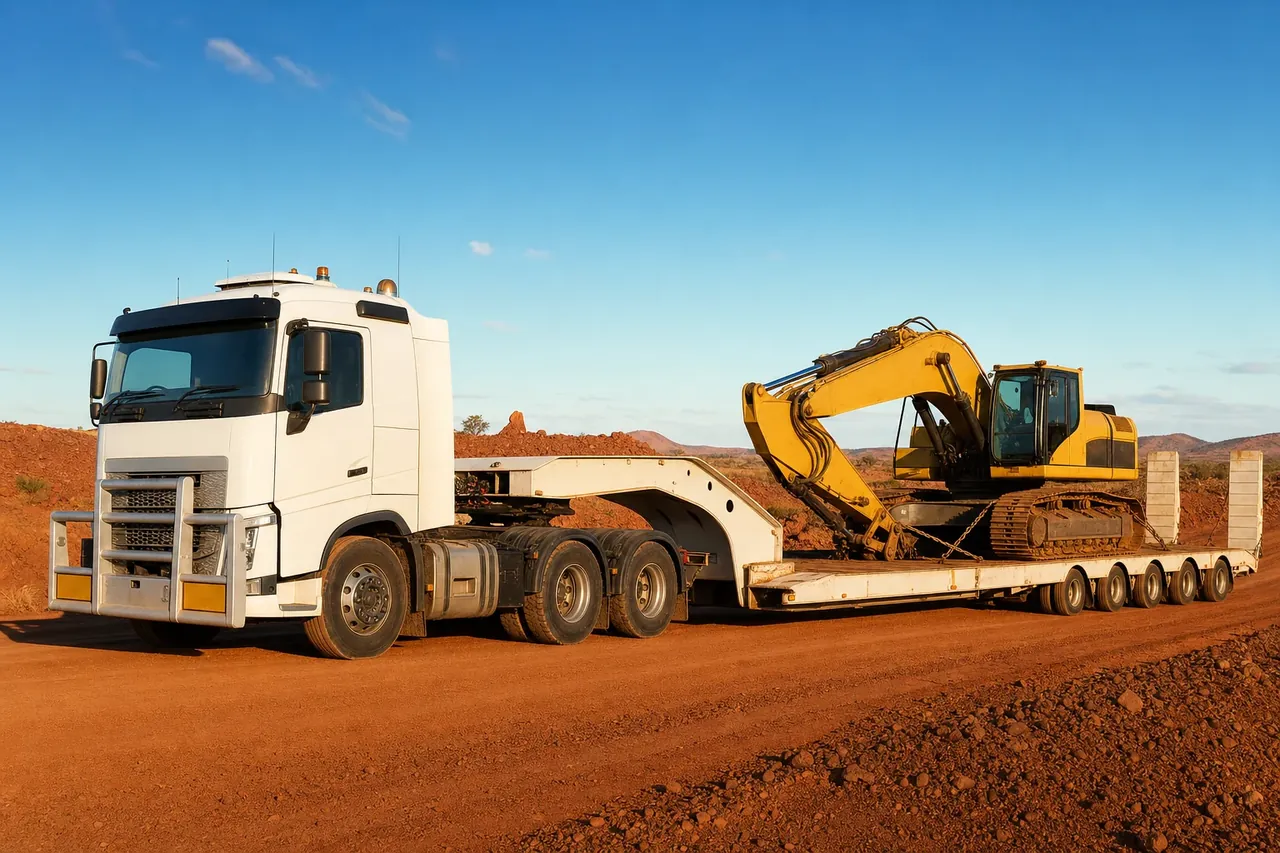
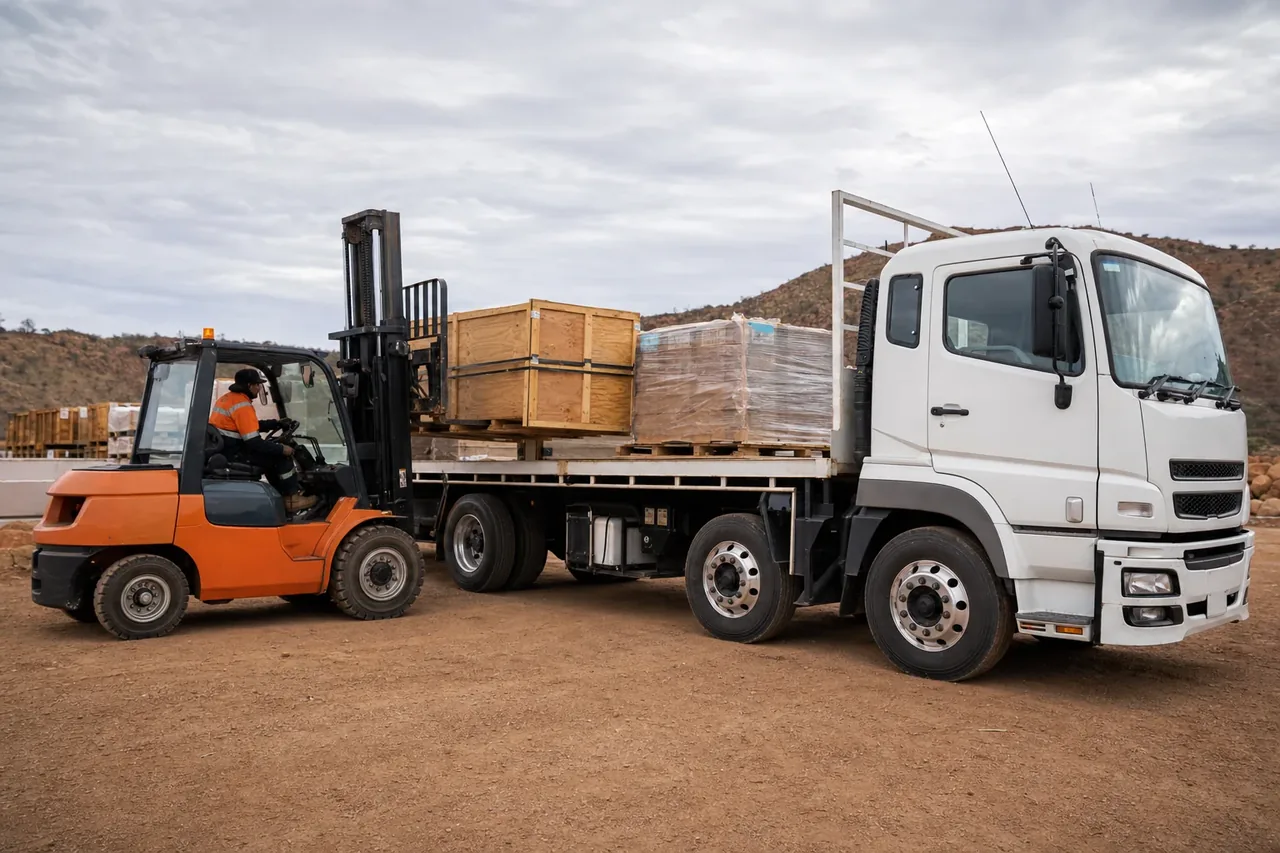
Not everything that needs to get to a mine site fits in the back of a ute. Machinery, small plant, site vehicles, generators and compressors require a tilt-tray platform - and they still need to get there on time.
Mr Hotshot runs tilt-tray equipment transport across WA, with the same mine-spec vehicle standards and direct-to-site delivery model we apply to all our freight work. If you need a piece of equipment relocated between sites or delivered from Perth, we can do it without going through a third-party logistics company.
Tilt-tray moves are not emergency runs in the same way a critical part is - but they still have deadlines. A shutdown starts on a specific day. A replacement vehicle is needed before a shift. We treat equipment transport with the same schedule discipline as breakdown freight.
Dispatch
Non-stop runs
To site
Coverage
Equipment and Plant We Transport on Tilt Tray
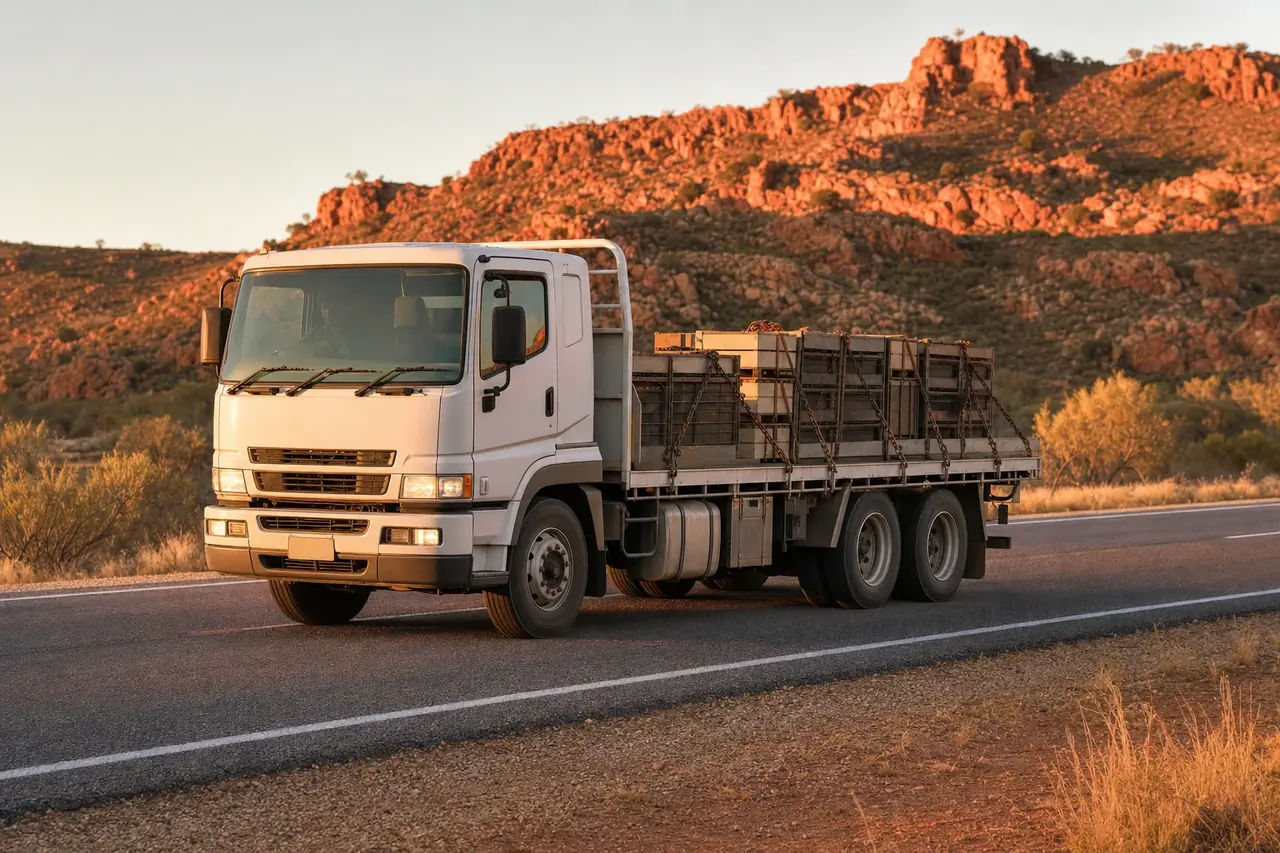
Tilt-tray transport is suited to equipment that is too large or too heavy for a ute payload, cannot be disassembled, or needs to be loaded and unloaded without manual handling.
If the equipment you need moved is oversized (over-height, over-width, or requiring a pilot vehicle and escort), contact us with the dimensions. We can advise whether it falls within our tilt-tray capability or requires heavy haulage that is outside our scope.
- Mine site vehicles - utes, light rigids and service vehicles being relocated between sites or returned to Perth for service
- Small to medium plant - generators, compressors, welding sets, pumps
- Machinery - compact excavators, skid steers, forklifts (within payload range)
- Workshop equipment - heavy benches, toolboxes, specialised equipment being moved between facilities
- Modular site infrastructure - containers, ablution units, small site offices where road-legal tilt movement is appropriate
- Breakdown equipment - equipment that has failed on site and needs to be returned to Perth for repair
Payload and dimension confirmation
Give us the equipment dimensions and estimated weight at booking. We confirm whether our tilt-tray configuration can handle the load before we accept the job. A tilt tray that arrives on site and cannot safely carry the equipment is a wasted mobilisation - we check upfront.
Mine-Spec Tilt-Tray Vehicles
Our tilt-tray trucks are maintained to mine-site access standards - same as our ute and light-truck fleet. Fire suppression, first aid, appropriate lighting and documentation for site entry.
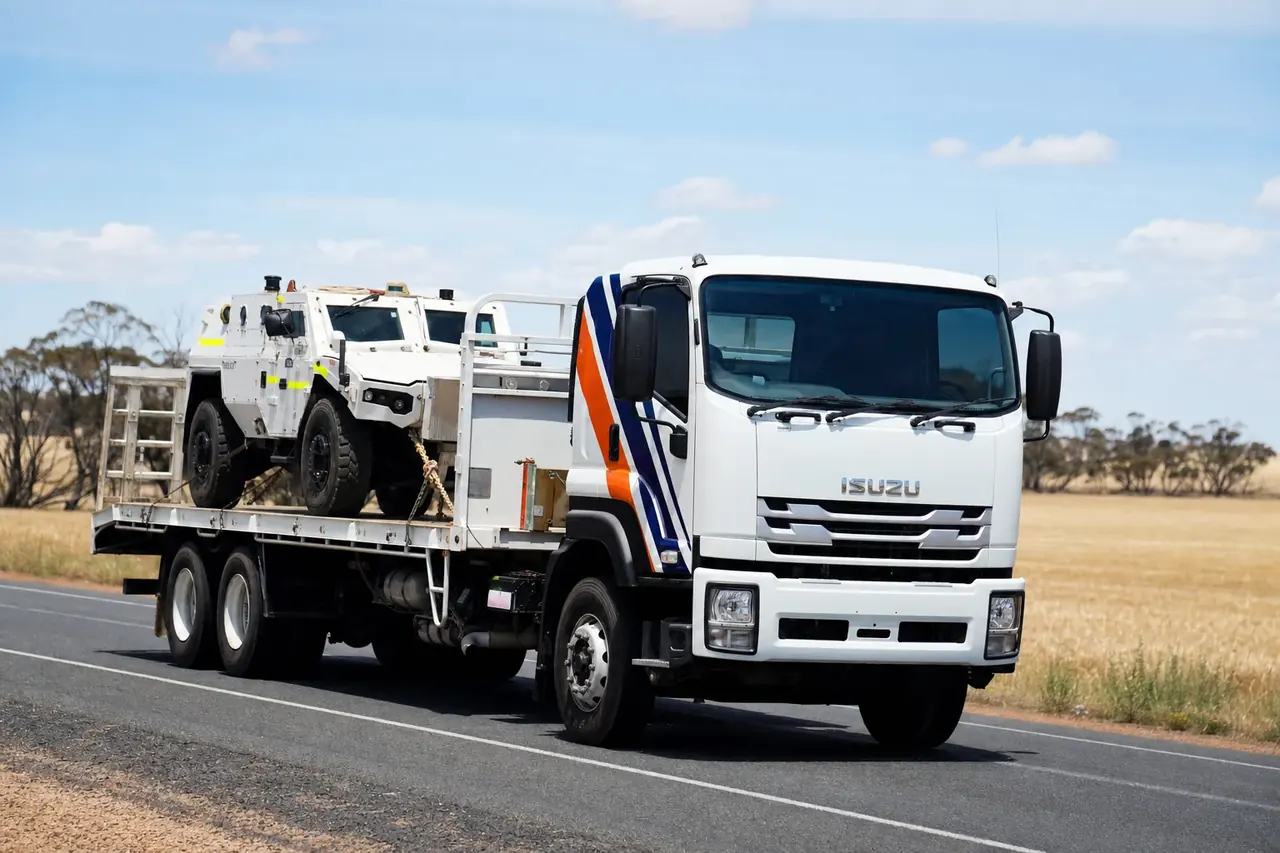
Site access for tilt-tray vehicles
Tilt-tray trucks are heavier and longer than utes, and some mine sites have access restrictions on vehicle dimensions or axle loads. Before booking a tilt-tray run to a specific site, check with your site access team whether a tilt-tray of the relevant size can enter on your roads and haul routes.
Loading and securing the equipment
Equipment must be properly secured for road transport. We use rated strapping and restraint systems appropriate for the load. If the equipment has specific tie-down points or loading requirements, tell us at booking - we will prepare accordingly.
Site-to-Site Equipment Relocations in WA
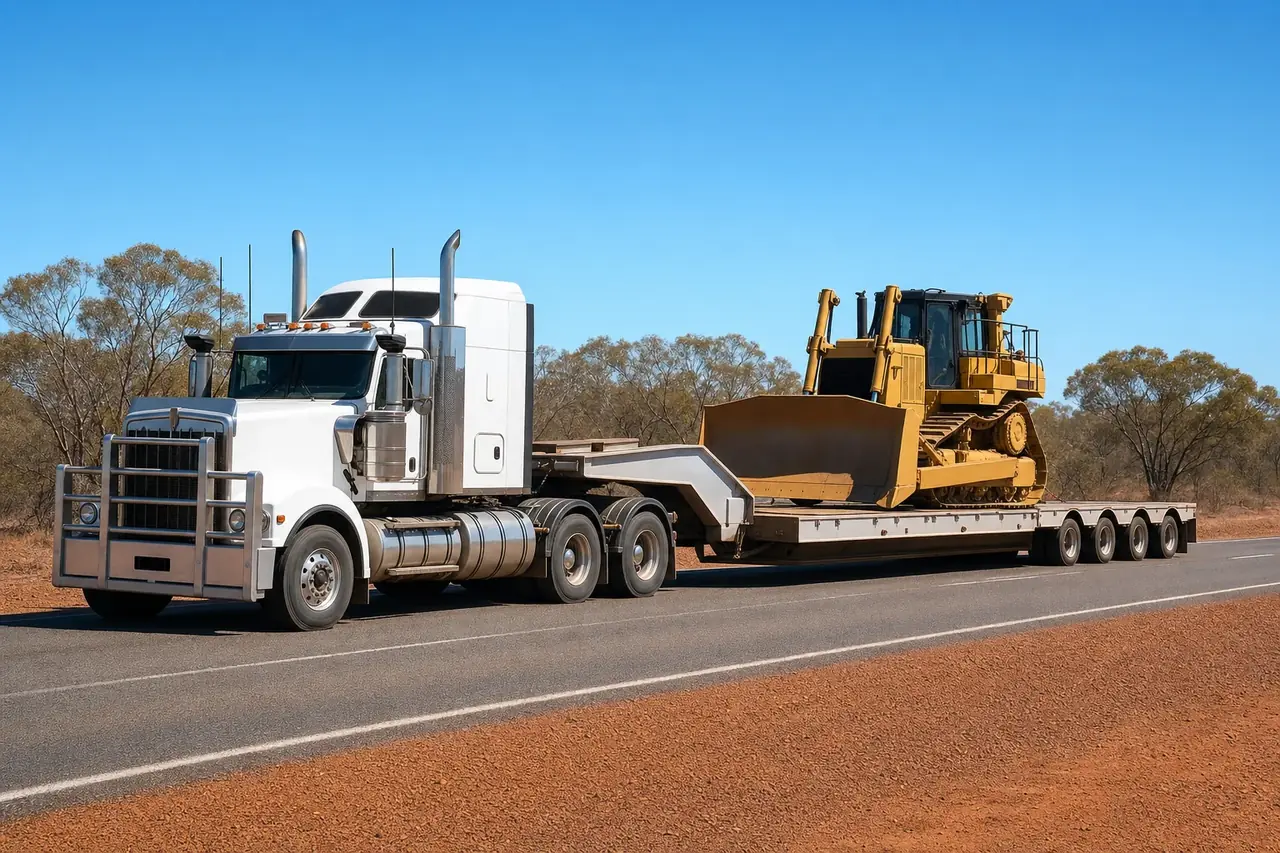
Mining operations frequently need equipment moved between sites - a piece of plant finishing on one operation and starting on another, a site vehicle rotating through service at a Perth workshop, or a generator shifted from a decommissioned camp to an active one.
We run site-to-site tilt-tray moves within WA. Pilbara to Goldfields, inter-Pilbara between operations, Perth metro to any regional site. Give us the pickup and delivery addresses and we will confirm route feasibility and provide an accurate schedule.
How a Tilt-Tray Equipment Transport Job Works
- 1
Contact dispatch with equipment details
Provide the equipment type, estimated dimensions and weight, pickup location, and delivery site. We confirm payload and vehicle suitability before accepting the booking.
- 2
Site access and scheduling confirmed
We check whether our tilt-tray vehicle meets your site's access requirements and confirm the pickup and delivery schedule with both parties.
- 3
Vehicle mobilised to pickup
The tilt-tray truck is dispatched to the pickup location. If the equipment is at a supplier or workshop, we coordinate directly with that facility for a collection time.
- 4
Equipment loaded and secured
Equipment is loaded onto the tilt tray using appropriate restraint methods. We do not depart until the load is safely secured to road-transport standards.
- 5
Delivery to nominated site location
Equipment delivered to the specified location on site - laydown area, workshop entrance, or as directed by your maintenance or logistics contact. Delivery confirmed back to your team.
When site is down, time costs money.
Call our 24/7 dispatch and we'll have the right vehicle moving toward your site.
When You Need Tilt Tray vs a Ute
| Freight Type | Recommended Vehicle |
|---|---|
| Parts, tooling, consumables under ute payload | Ute or light truck |
| Survey equipment, instruments, sample sets | Ute or light truck |
| Site vehicles (utes, light rigids) being relocated | Tilt tray - cannot drive freight vehicles on a hotshot |
| Generators, compressors, small plant | Tilt tray |
| Compact excavators, skid steers | Tilt tray - confirm dimensions and weight |
| Heavy plant, large excavators, rigid dump trucks | Outside our scope - contact a specialist heavy haulage operator |
Choosing between tilt-tray and ute/light truck for equipment transport
Loading and Securing Requirements for Tilt-Tray Transport
Tilt-tray transport involves equipment that is often heavy, awkward, or not designed to be moved frequently. The loading and restraint process is not a formality - it is the difference between equipment arriving intact and a claim on the road.
What we need from you at loading
Before the driver arrives at the pickup point, it helps to know: whether the equipment can be driven or rolled onto the tilt under its own power, where the rated tie-down points are located, and whether there are any fragile components that need protection during transit. This information lets the driver arrive prepared rather than improvising on site.
Restraint methods and load ratings
All restraint equipment used on our tilt trays is rated and inspected. We use chain, strap, and chock combinations depending on the equipment type and tray configuration. The restraint arrangement must comply with the applicable load restraint guide requirements for road transport in WA.
If the equipment has no obvious tie-down points - or if the owner's manual specifies particular lift or restraint locations - tell us at booking so the driver can bring the right restraint configuration. An improvised tie-down that damages a hydraulic line or structural component is a problem neither party wants.
Equipment that cannot be winched
Some failed equipment has no functional tow point and cannot be winched. If the unit requires a crane for loading, that needs to be arranged at the pickup location - it is not something our driver can do from the tilt-tray truck alone. Tell dispatch at booking if crane assistance will be required so we can coordinate timing.
Do not assume the driver can improvise on a damaged unit
A mine site vehicle that has rolled or been in a collision may have no functional attachment points. If the unit is in this condition, describe it fully at booking. We will work with you on a loading plan - but the driver cannot safely load something by improvising restraints on a structurally compromised vehicle.
Dimensions and What Fits on a Tilt Tray
Tilt-tray capacity varies by vehicle configuration. The numbers that matter are the deck length, deck width, GVM (gross vehicle mass), and the payload - the difference between GVM and the tare weight of the truck itself. Getting these right at booking prevents a situation where the vehicle arrives and the equipment is too long, too wide, or too heavy.
Checking dimensions before booking
The simplest approach is to give dispatch the equipment dimensions and weight at booking. We will confirm whether our tilt-tray configuration can carry it. If you do not know the exact weight, a reasonable estimate is fine - we factor in a margin and will flag it if the estimate looks borderline.
- Overall length of the equipment including attachments, forks, or protruding components
- Overall width - width that exceeds standard lane limits requires a permit, which changes the job
- Overall height when loaded on the tilt - height matters for bridge and overhead clearance on the route
- Estimated weight - if a data plate or manufacturer spec is available, use that
- Ground clearance and whether the unit can be driven up the tilt angle or needs winching
Over-dimension loads - those exceeding standard road width or height limits - require a permit and potentially a pilot vehicle. This is a different job to a standard tilt-tray move and requires more lead time. If your equipment is borderline on dimensions, raise it at booking and we will advise on the permit requirements.
| Equipment Category | Typically Suitable for Tilt Tray | Notes |
|---|---|---|
| Mine site dual-cab ute | Yes | Standard recovery or relocation job |
| Light rigid truck (failed, non-running) | Yes - winching required | Confirm tow point condition at booking |
| Generator set, skid-mounted | Yes - confirm weight and skid dimensions | Skid must have rated lift or tie-down points |
| Compact excavator under 8 tonne | Yes - confirm configuration | Bucket and arm position affects deck length required |
| Standard forklift | Yes - confirm mast height for lowered position | Mast lowered to minimum for transport height |
| Large excavator, rigid dump truck, grader | No - heavy haulage required | Outside our tilt-tray scope |
General guidance on what a tilt tray can and cannot handle
Frequently asked questions
Yes. Recovery transport of mine site vehicles from Pilbara to Perth is a standard tilt-tray job for us. Give us the vehicle location, condition (whether it can be rolled or needs winching), and the destination workshop in Perth. We will confirm vehicle suitability and schedule the pickup.
This depends on the access track condition and our tilt-tray vehicle's ground clearance. Contact dispatch with the access road description - some remote tracks are manageable, others require a different approach. We will not guess and we will not send a vehicle into an access track that will leave it bogged.
We can handle equipment that requires winching onto the tilt if it has a usable tow point. Provide the details at booking. If the equipment requires a crane or specialised recovery equipment to load, that is outside our standard tilt-tray service and we will tell you so.
Tilt-tray bookings ideally have more lead time than a ute hotshot, because vehicle availability and route planning for larger equipment moves require coordination. For planned equipment relocations, contact us as early as possible. For genuine emergencies, call dispatch and we will work with what we have.
Transport paperwork requirements vary depending on the equipment type and the specific mine lease regulations. We handle standard road transport documentation. If there are specific lease or regulatory requirements for the equipment movement, coordinate with your site's environment and regulatory team and advise us of any special conditions at booking.
Related services
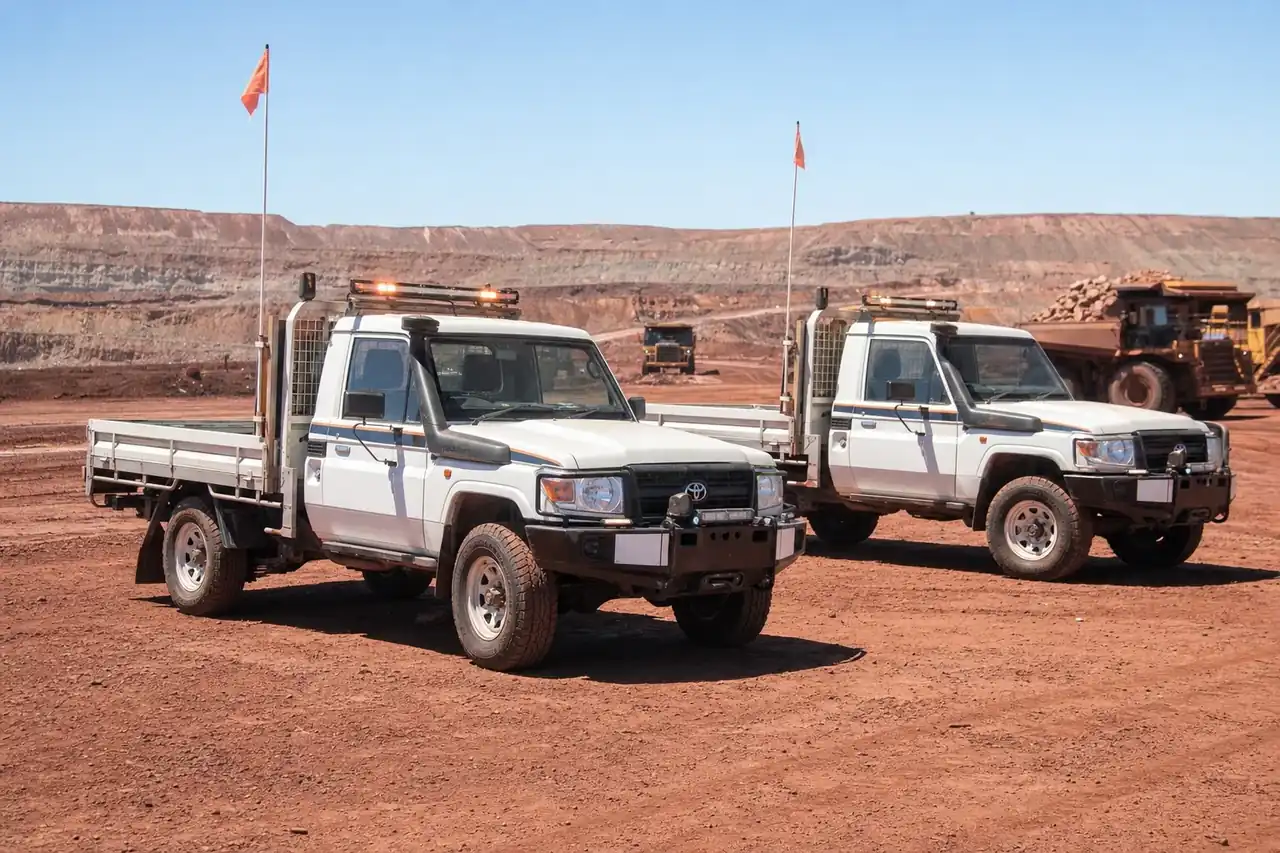
Mining Hotshot Transport
Direct-to-site freight for WA mine operations, breakdown parts to full equipment runs.
ViewInterstate Hotshot Transport
Connecting WA mining operations with suppliers across Australia for urgent freight.
View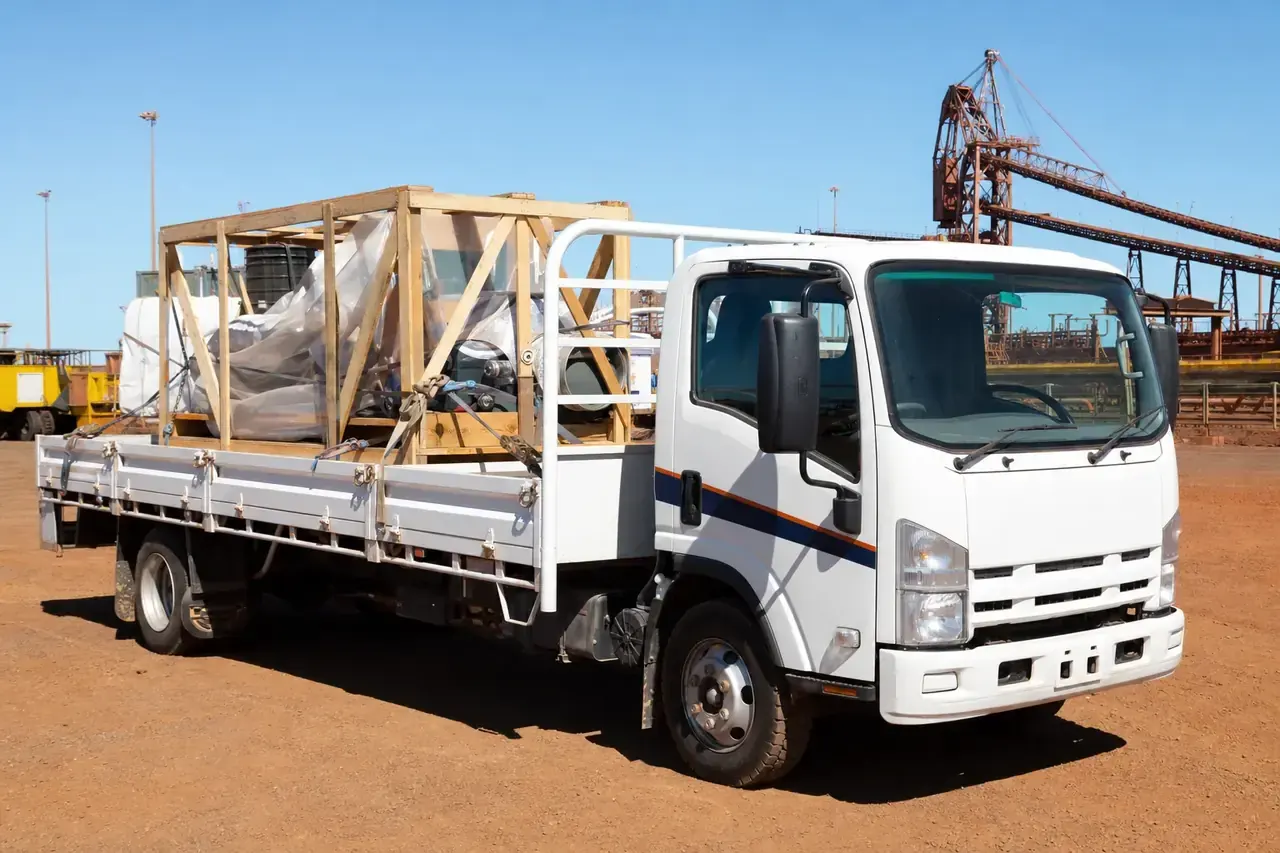
Hotshot Fleet & Capabilities
Mine-spec utes, 3-5 tonne trucks, tilt trays and larger configurations for any job.
ViewRequest a tilt tray & equipment transport quote
Tell us what you need moved and how urgent it is. For a stopped site, call dispatch and we'll have a vehicle moving while we talk.
When site is down, time costs money.
Call our 24/7 dispatch and we'll have the right vehicle moving toward your site.