


Hotshot Fleet & Capabilities WA - Mine-Spec Vehicles for Every Job
Hotshot Fleet & Capabilities
The vehicle that carries your freight to a WA mine site is not a general delivery van. It needs to meet site entry requirements, handle the distances and road conditions on the relevant corridor, and carry your specific freight safely.
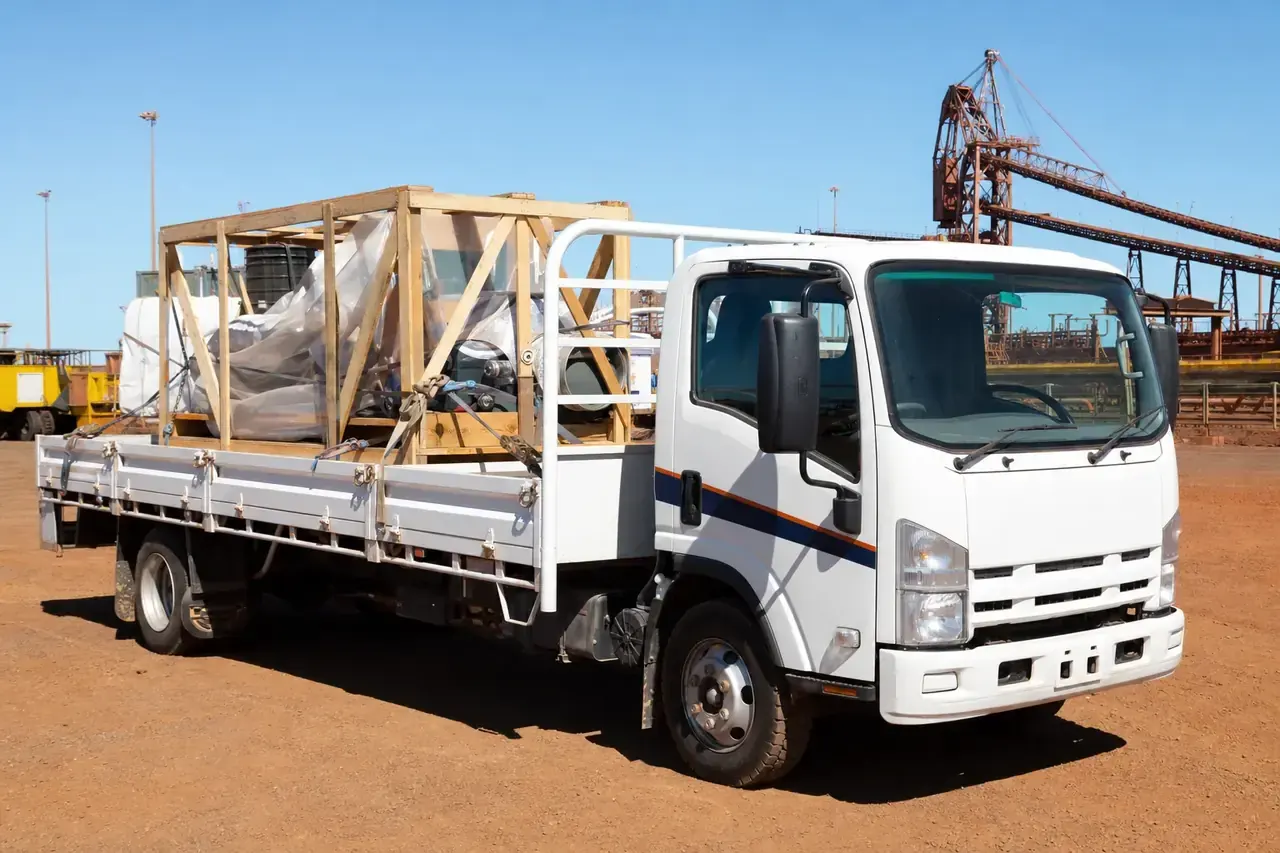
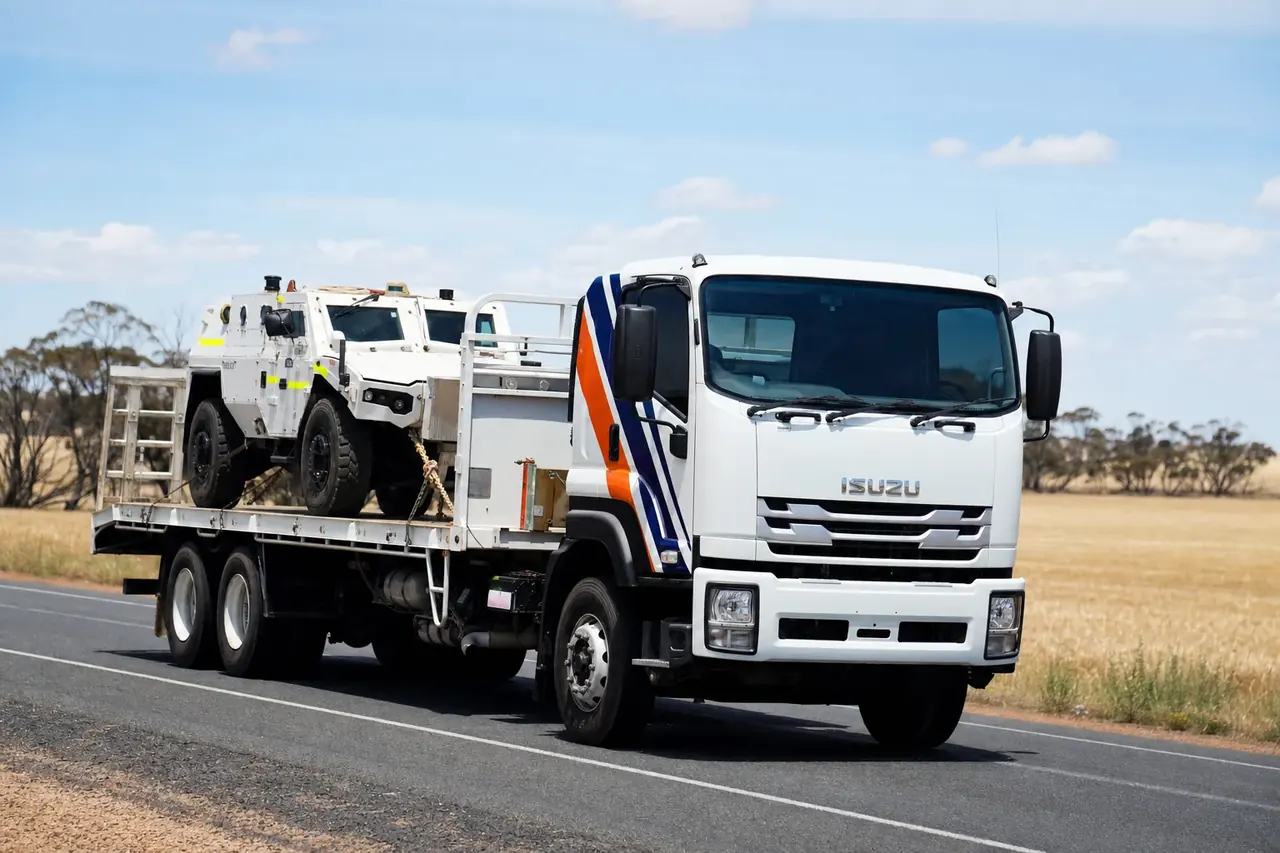
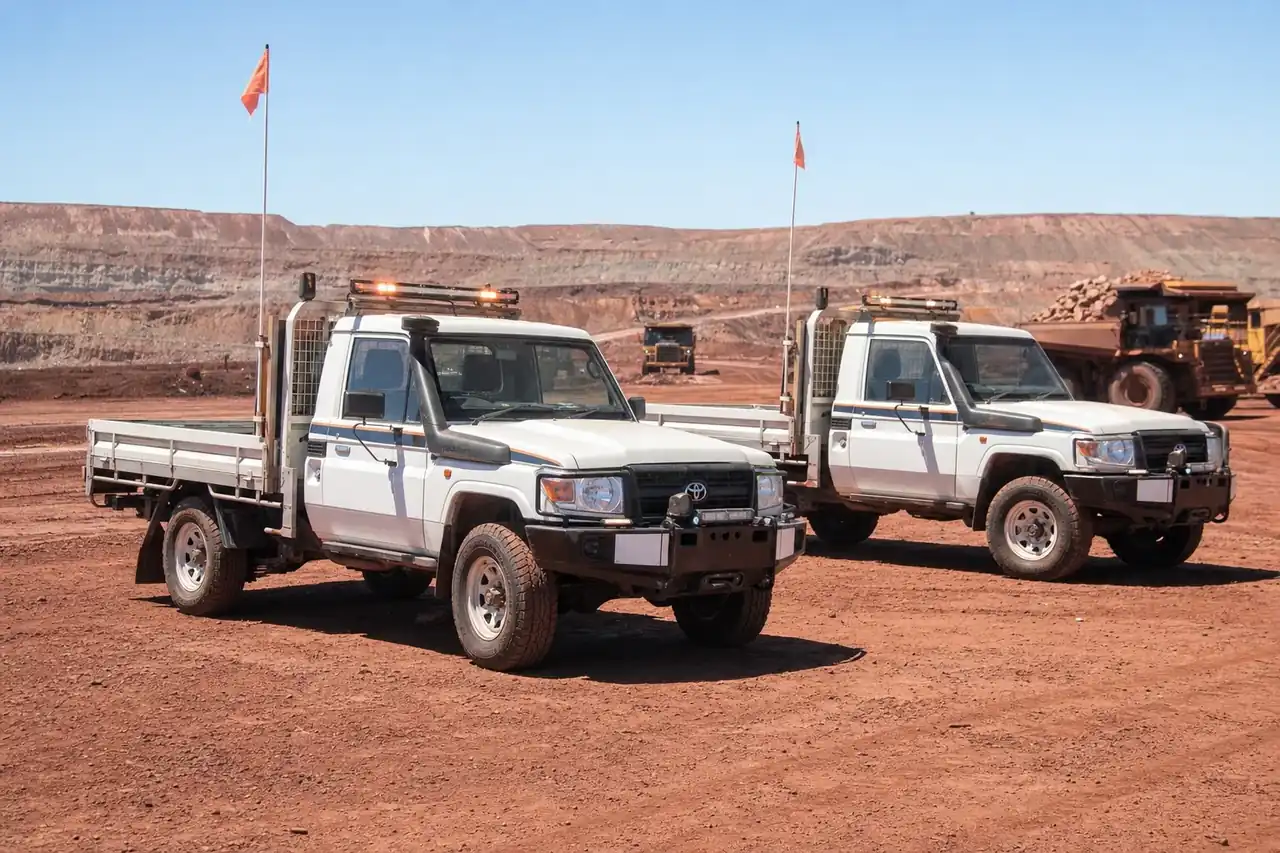
Mr Hotshot operates mine-spec utes, light trucks in the 3-5 tonne range, and tilt-tray platforms. Each configuration suits different freight types and site access conditions. This page explains what each vehicle can carry, where it can go, and how to match the right vehicle to your job.
If you are not sure which vehicle configuration you need, describe the freight to dispatch. We will recommend the right option - or tell you honestly if the job is outside our current capability.
Dispatch
Non-stop runs
To site
Coverage
Fleet Overview - Vehicle Configurations
Our fleet is focused on the freight types that WA mining and industrial operations actually need moved - breakdown parts, tooling, equipment and site vehicles. We do not run refrigerated, oversized or general consumer freight.
| Vehicle | Payload Range | Best For | 2UP Capable |
|---|---|---|---|
| Mine-spec dual-cab ute | Up to 1 tonne tray capacity | Parts, tooling, instruments, consumables, urgent freight | Yes |
| Light truck (3-5 tonne) | 3 to 5 tonne GVM range | Larger parts, multiple consignments, bulky items | Yes |
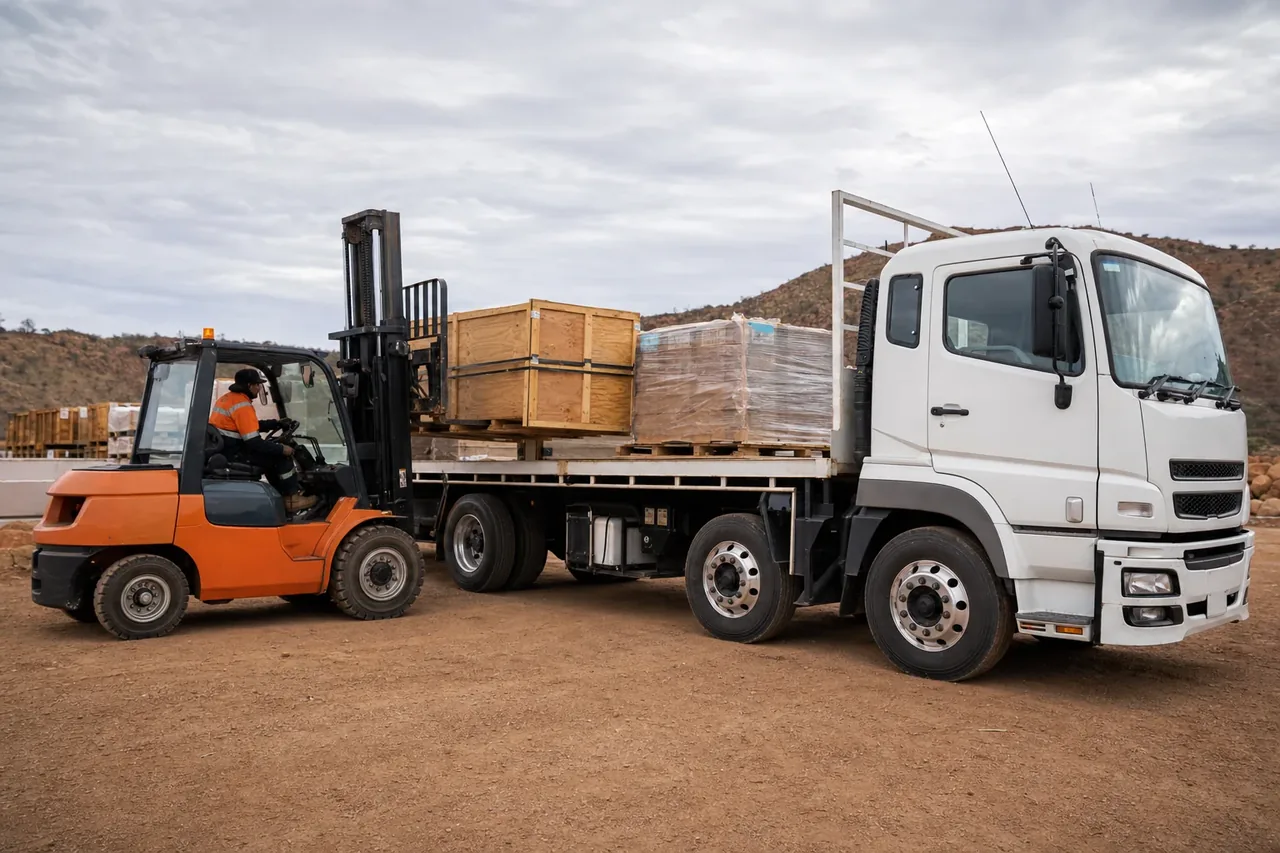
| Tilt-tray truck | Varies by configuration - confirm at booking | Site vehicles, small plant, generators, machinery | Subject to driver availability |
Mr Hotshot vehicle configurations and typical freight
What Mine-Spec Means for Our Vehicles
Mine-spec is not a marketing term - it is a practical set of requirements that determine whether a vehicle can legally and safely enter a WA mine site. Our vehicles are maintained to meet the access standards required by the sites we serve.
Standard equipment on mine-spec vehicles
Individual mine sites may have additional requirements beyond these standard items. When you provide your site access requirements at booking, we confirm whether our vehicles meet them. If there is a specific requirement we have not previously encountered, we will work through it - and we will tell you if we cannot meet it.
Fire suppression system fitted and serviced
First aid kit stocked to the relevant standard
Emergency equipment
triangle, emergency contacts, relevant documentation
Rated and appropriate tyres for the route and terrain
Reverse camera or proximity sensing as required by site
UHF CB radio for haul road communication where required
High-visibility flagging and lighting where required by site
Vehicle inspection and maintenance records current
2UP Capability Across the Fleet
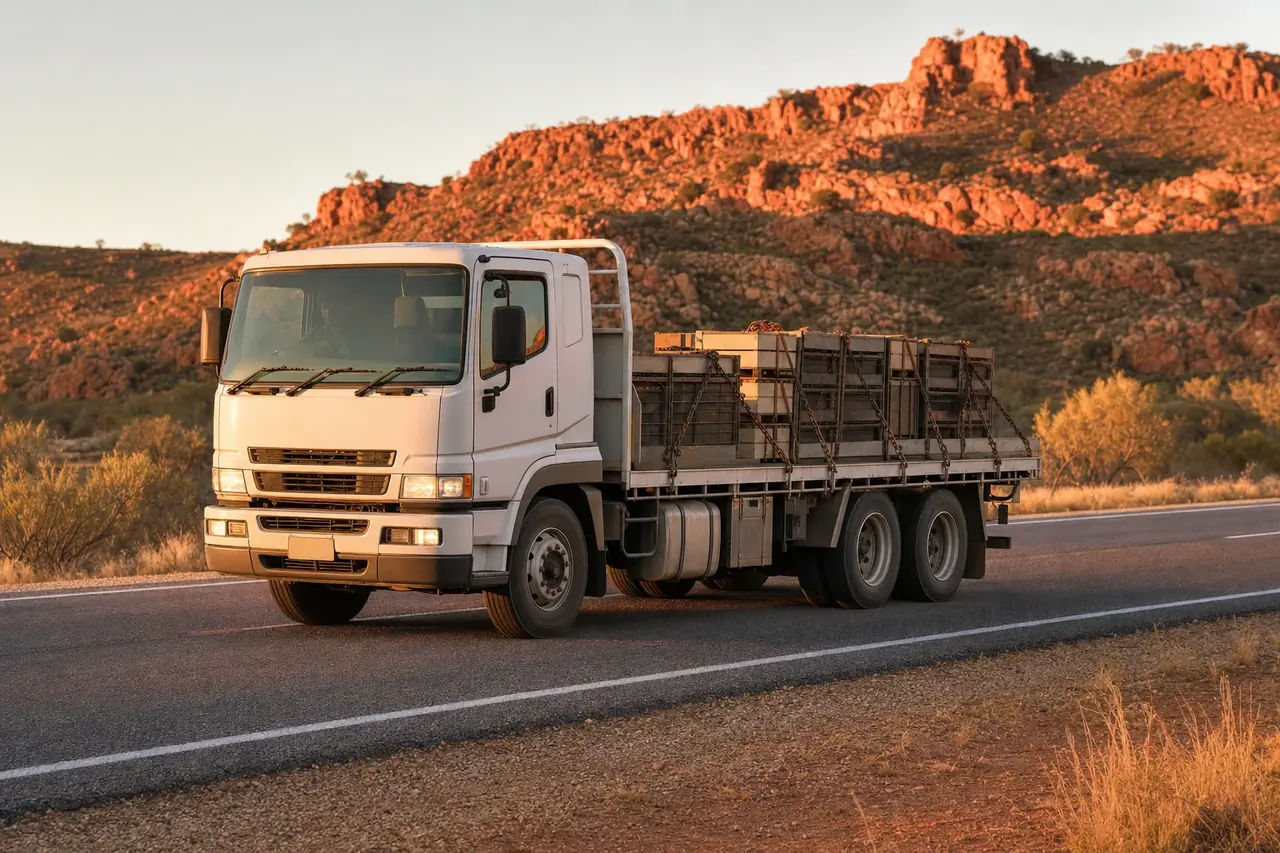
2UP - two drivers in the cab - is available on our ute and light-truck configurations. This is most relevant for long Pilbara corridors where a solo driver's mandatory rest stop adds significant time to the delivery schedule.
When to request 2UP at booking
If you know at the time of booking that a delivery deadline cannot accommodate a mandatory rest stop on the route, request 2UP immediately. We will confirm second driver availability before you commit to the booking. Do not assume 2UP is always instantly available - it requires a second driver to be free and match the departure window.
Matching Freight to the Right Vehicle
Freight that exceeds the payload of a ute but does not require a tilt tray sits in the light-truck category. The practical question is usually whether your freight is within the tray dimensions and weight limit, or whether it needs to be loaded by crane or tipped.
Freight that fits a ute or light truck
Freight that requires a tilt tray
Breakdown parts and spares in original or field packaging
Toolboxes, tool rolls and workshop supplies
Survey instruments and drill rods
Chemical drums and reagent containers within payload
Electrical components
switchgear, cable reels, control panels
Multiple consignments for the same site where combined payload allows
When site is down, time costs money.
Call our 24/7 dispatch and we'll have the right vehicle moving toward your site.
Vehicle Readiness and Maintenance
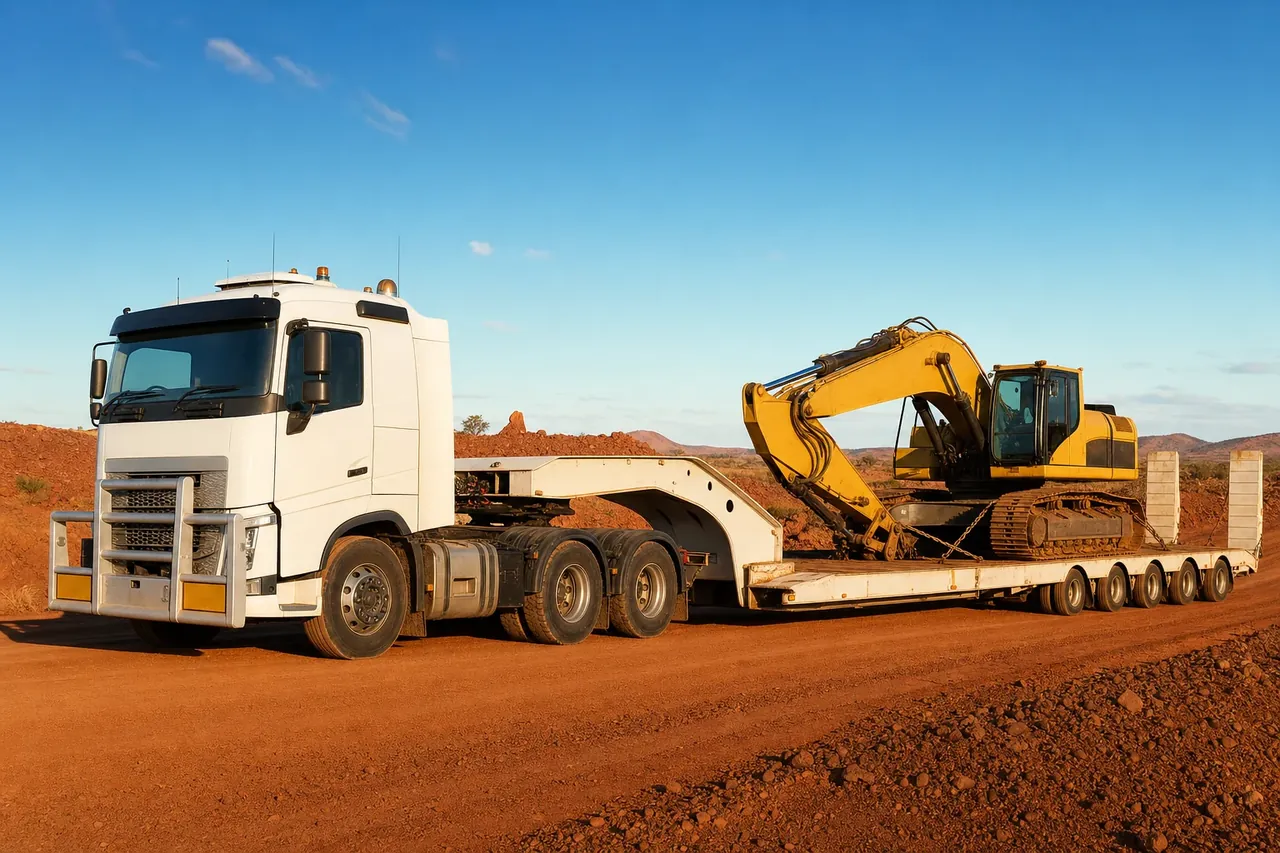
A vehicle that breaks down between Perth and Newman is not a hotshot service - it is a problem for both of us. Our vehicles are maintained on a regular service schedule, not run until something fails.
We inspect vehicles before every long-distance deployment. Tyres, fluids, fire suppression serviceability, load restraint equipment, and communication systems are checked. A vehicle that does not pass pre-departure inspection does not depart.
Ask us about specific site vehicle requirements
Some sites have specific requirements for transport vehicles - particular tyre specifications, additional safety systems, or documentation requirements beyond the standard mine-spec list. If you know your site has non-standard requirements, tell us at booking. We will confirm whether our vehicles meet the standard or what we need to arrange.
Driver Standards and Fatigue Management
The vehicle is only part of the equation. Our drivers operate under applicable Australian fatigue management regulations for their vehicle class and the routes they run. Solo drivers take mandatory rest breaks as required. 2UP crews alternate driving and rest.
- 1
Pre-trip briefing
Every driver is briefed on the route, the freight, site access requirements and any specific delivery instructions before departure.
- 2
Fatigue management compliance
Drivers comply with the applicable heavy vehicle fatigue management standard for their journey. For long-distance runs, we plan the rest schedule before departure.
- 3
Communication during run
Drivers maintain contact with dispatch and are reachable directly by your logistics team during the run. We do not go dark between departure and delivery.
- 4
Site entry protocol
Drivers follow your site's entry procedure - induction, speed limits, haul road rules and any other site-specific requirements. If a driver has previously inducted on your site, we note that for scheduling purposes.
- 5
Delivery and departure
Freight delivered to the nominated point and confirmed. Driver completes any required site departure procedure before leaving.
Matching the Vehicle to the Load - How Dispatch Decides
The vehicle allocation decision is not made by the client - it is made by dispatch based on the freight description you provide. The process takes about two minutes on the phone and produces a better outcome than guessing from a menu of options.
What dispatch considers
Freight weight and dimensions determine whether a ute tray is adequate or whether a light truck is needed. Whether the freight can be loaded by hand or requires a crane determines whether a tilt tray is in play. The site's access restrictions - particularly on vehicle length and axle load - determine which vehicle class can legally enter.
When freight is borderline between vehicle classes
A consignment that is close to the ute payload limit gets allocated to the light truck. We do not push a ute to its rated limit on a long-haul Pilbara run - there is a reason payload ratings exist. If the upgrade changes the cost, dispatch will tell you before confirming the booking.
Multiple consignments on one vehicle
If you need several items collected and delivered to the same site on the same run, we can consolidate them on one vehicle where the combined payload allows. This is common for shutdown preparations where multiple parts arrive at different suppliers in Perth on the same day. Tell dispatch everything that needs to be collected - not just the largest item.
| Scenario | Vehicle Class |
|---|---|
| Single bearing, seal, or small component - same-day emergency | Mine-spec ute |
| Multiple boxes, tooling, and consumables for a shutdown - under 1 tonne combined | Mine-spec ute |
| Heavy switchgear panel or large drum consignment - over ute payload | Light truck (3-5t) |
| Site ute being relocated from Pilbara to Perth for service | Tilt tray |
| Generator set being delivered for shutdown backup power | Tilt tray |
| Large consignment that fills a 3-5t truck but does not need tilt loading | Light truck |
Quick guide - what vehicle class handles which freight scenario
What to Tell Dispatch When You Call
The quality of information you give dispatch at first contact determines how fast the vehicle leaves and how accurately we can quote a delivery time. A vague description produces a vague plan. A specific description produces a specific vehicle, a specific departure, and a specific ETA.
The freight description
What is it, how is it packaged, and how heavy is it? An approximate weight is fine if you do not have a data plate. Packaging matters because loose items need to be secured - a bare hydraulic motor is treated differently to a motor in a sealed crate.
The pickup and delivery addresses
Full street addresses for Perth pickups. For site deliveries, the site name and gate or GPS coordinates if the site is not on a named road. The more specific the delivery point - workshop building, laydown row, maintenance bay - the more useful it is for the driver on arrival.
The deadline
Not 'as soon as possible' - a specific time and what happens if the freight arrives after it. Shift change at 6 am. Shutdown crew mobilising at 8 am. Plant cannot run past Wednesday. A concrete deadline lets dispatch allocate the right vehicle and driver configuration rather than defaulting to the fastest option regardless of cost.
Site access information
Whether the site requires pre-induction, an escort, or a specific vehicle standard beyond standard mine-spec. If the site has a speed limit on the haul roads that affects the delivery time from gate to workshop, include that too. The driver needs to know this before arriving at the gate, not when they are already there.
- Freight description - what, how packaged, approximate weight
- Pickup address - street address and contact name at that location
- Delivery site - site name, gate, GPS if applicable
- Required delivery time and consequence of being late
- Site access requirements - induction status, escort needed, vehicle restrictions
- Dangerous goods - class and UN number if applicable
- Return freight - if there is a backload, say so at booking
Three minutes on the phone saves hours in the field
Dispatch conversations that are complete at first contact - freight description, pickup address, delivery site, deadline, site access - result in a vehicle leaving faster than conversations that require two or three call-backs to fill in missing information. Have the details ready before you dial.
Frequently asked questions
Yes. If you know the freight type and have a preference for vehicle configuration, tell dispatch at booking. We will confirm whether that configuration is available for your departure window. For most bookings, describing the freight and letting dispatch recommend the vehicle works just as well.
Some of our vehicles have tray covers and load protection. If your freight requires weather protection during transit - particularly on long Pilbara runs with potential rain exposure - specify this at booking and we will ensure the right vehicle and load protection is used.
No. Mr Hotshot is a dedicated hotshot service. Your booking gets the vehicle, not a share of it. If you are looking for a consolidated freight service, we are not the right option - but if your freight is time-critical, consolidated freight will not meet your deadline.
Drivers carry current licences, vehicle registration, relevant safety certifications, and any site-specific induction documentation for sites they have previously accessed. If your site requires additional documentation - traffic management plans, site-specific forms - advise us at booking so we can prepare.
Our utes handle well-maintained station and exploration tracks. For very remote tracks, corrugated outback roads, or tracks requiring high-clearance 4WD capability, contact dispatch with the specific access road description. We will give you an honest assessment of whether our vehicles are suited rather than attempt a route and risk a breakdown.
Related services
Mining Hotshot Transport
Direct-to-site freight for WA mine operations, breakdown parts to full equipment runs.
View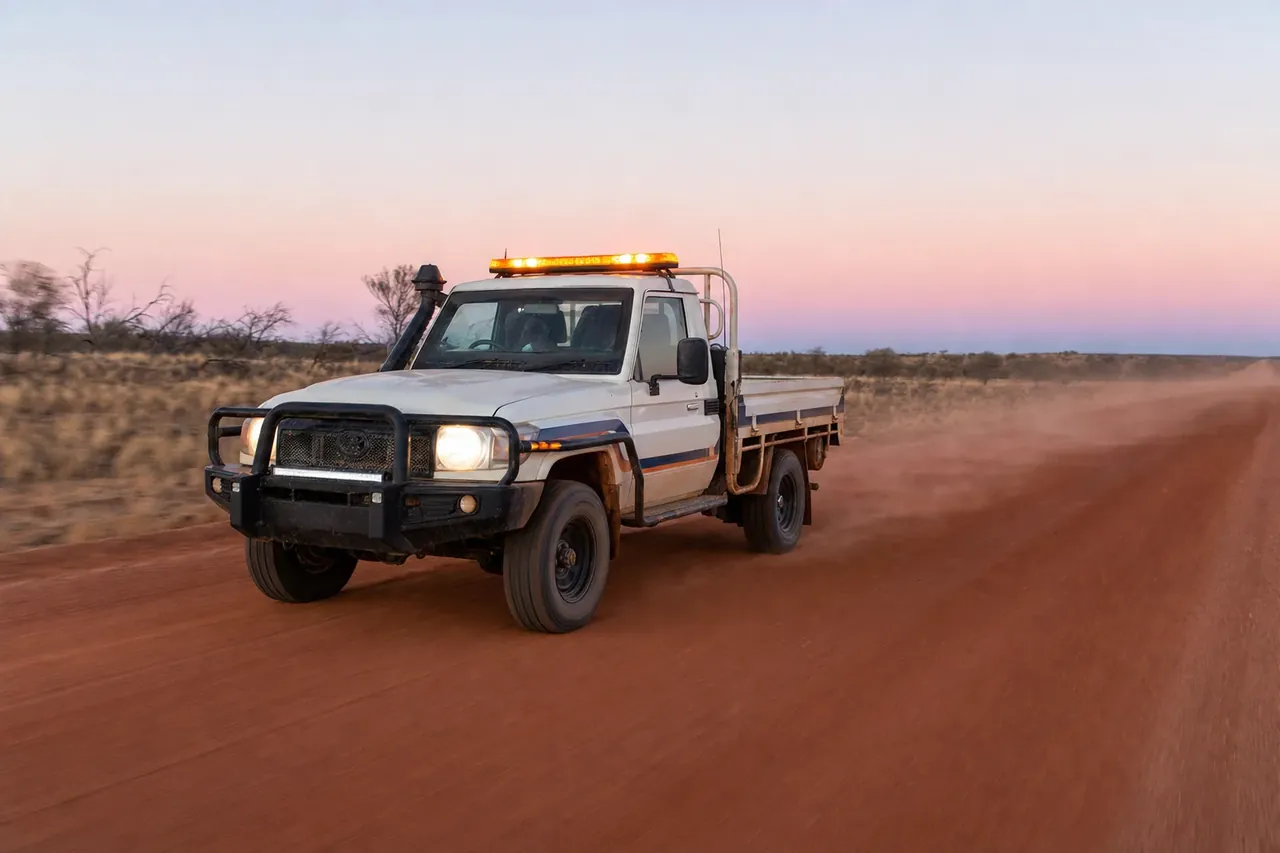
2UP Emergency Hotshots
Two drivers, non-stop. Critical breakdown freight that can't wait for a sleep stop.
ViewTilt Tray & Equipment Transport
Machinery, site vehicles and plant relocated safely across WA on tilt-tray.
ViewRequest a hotshot fleet & capabilities quote
Tell us what you need moved and how urgent it is. For a stopped site, call dispatch and we'll have a vehicle moving while we talk.
When site is down, time costs money.
Call our 24/7 dispatch and we'll have the right vehicle moving toward your site.